

Materials & Laboratory Guide
Choose for the mouth, not the marketing label.
There is no single best dental material for every tooth or patient. Suitability depends on the diagnosis, remaining tooth structure, bite, location, aesthetic priorities, preparation design, laboratory execution, and how the result can be maintained.

Look beyond the name
A premium material cannot rescue an unsuitable plan.
Ceramics, resin-based materials, metals, implant components, and temporary materials each have different indications and trade-offs. Ask why a material suits the specific tooth, how much tooth structure must be changed, and what alternatives were considered.
The laboratory process also matters. Records, shade communication, design, manufacturing, try-in, fit, bite, surface finishing, and final bonding or cementation all contribute to the clinical result.
A useful material conversation connects diagnosis, preservation, appearance, function, maintenance, and the people responsible for each stage.
What matters
Professional care, translated into practical detail.
Clinical indication
Ask why the proposed material is appropriate for that tooth, restoration type, bite, supporting tissue, and treatment goal.
Suitability before brandingAesthetic behavior
Translucency, opacity, shade, texture, thickness, underlying tooth color, and lighting can all influence appearance.
Natural is more than whiteLaboratory communication
High-quality photographs, scans or impressions, prescriptions, design feedback, and try-ins help translate the plan into the restoration.
Information shapes craftMaintenance and repair
Ask how the material is cleaned, monitored, polished, repaired, or replaced and whether special protective care may be advised.
Plan beyond deliveryFrom selection to delivery
Six decisions behind a final restoration.
The exact workflow differs by procedure, material, laboratory, and clinical findings.
- 01Why treat?
Confirm the indication
Define the diagnosis, treatment objective, alternatives, risks, and whether restoration or replacement is necessary.
- 02Why this option?
Discuss the material
Compare preservation, appearance, strength, thickness, repairability, allergies or sensitivities, and maintenance.
- 03Translate the plan
Capture the records
Collect the photographs, shade information, scans or impressions, bite records, and instructions needed for the case.
- 04Review before final
Review design or provisional work
Use an appropriate preview, mock-up, provisional, or try-in when clinically relevant to evaluate communication and function.
- 05Quality checkpoint
Verify fit and bite
Assess margins, contacts, comfort, appearance, cleanability, and bite before or during final placement.
- 06Long-term responsibility
Record and maintain
Keep relevant material or component details and follow the advised review, hygiene, and protective-care schedule.
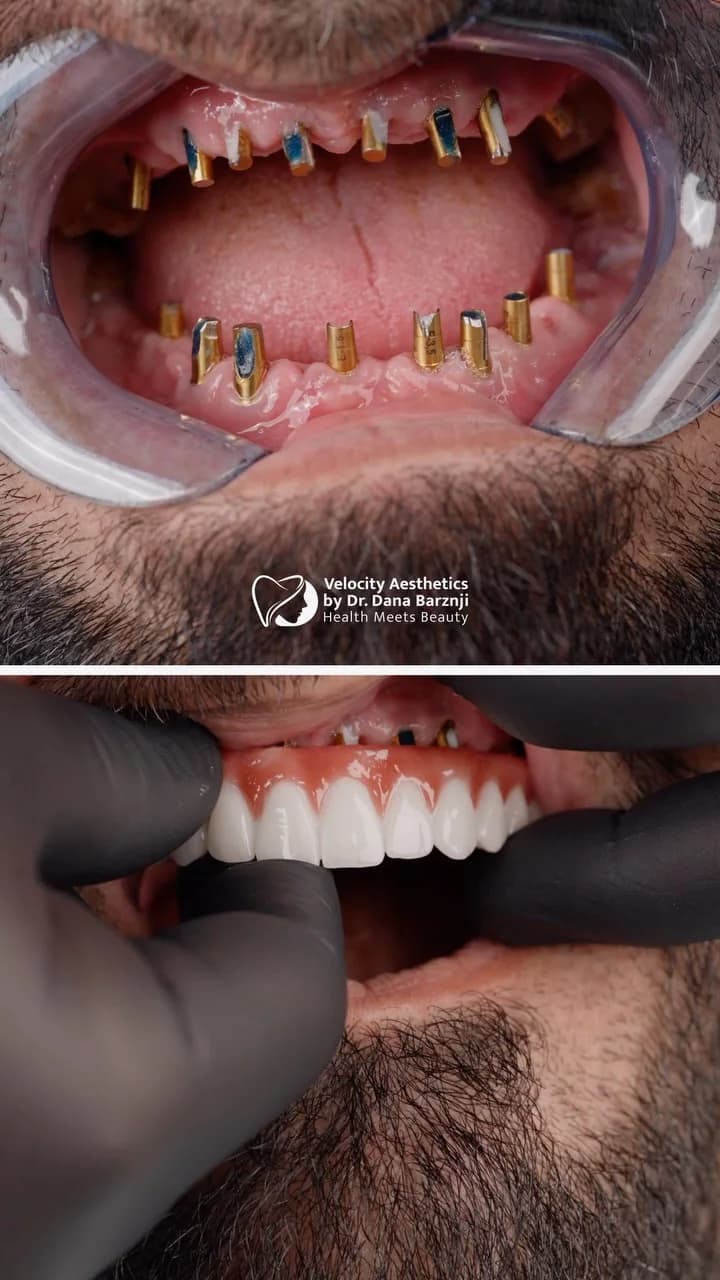
Preview versus promise
A digital design or mock-up is a communication tool, not a guaranteed outcome.
Previews can help discuss proportion, shape, shade direction, and expectations, but the final result is constrained by clinical findings, tooth and tissue condition, material behavior, preparation, healing, bite, and what can be delivered safely in the mouth.
- Ask what the preview represents and what it cannot predict
- Review function and cleanability as well as appearance
- Confirm when design approval occurs
- Expect clinical adjustments when required
- Keep before, provisional, and final records when available
Questions worth asking
Make the material choice understandable and traceable.
Before treatment
- What material is proposed and why?
- What reasonable alternatives exist?
- How much natural tooth structure changes?
- What are the known limits and maintenance needs?
Before completion
- Who completed the laboratory stage?
- Has fit, bite, shade, and cleanability been reviewed?
- Which material or component details should I keep?
- What is the repair or replacement pathway?
This guide does not confirm that Dr. Dana Barznji Dental Clinic uses a particular brand, laboratory, implant system, or material. Ask the clinic for case-specific, current details.
Is zirconia always better than porcelain or another ceramic?
No material is universally best. The appropriate option depends on the restoration, tooth position, remaining structure, bite, appearance requirements, preparation, bonding approach, and clinician-laboratory plan.
Does approving a digital preview guarantee the final smile?
No. A preview helps communication, but the final clinical result is affected by anatomy, tissue, material, preparation, healing, bite, and safety considerations.
Is the brand name the most important quality signal?
Brand and traceability can matter, but diagnosis, indication, preparation, records, laboratory execution, fit, placement, maintenance, and clinician responsibility are also essential.
What should I mention about allergies or sensitivities?
Share any known or suspected allergies, previous reactions, medical conditions, medicines, and sensitivities before treatment so the clinician can assess their relevance and whether further review is needed.
Materials need reasons
A material decision should be explainable.
Ask how the proposed option fits your diagnosis, preservation goals, appearance, bite, maintenance, and long-term care rather than choosing from a label alone.