

Digital Planning & Precision
Technology should make the plan easier to understand.
Digital tools are valuable when they improve diagnosis, communication, planning, and fit. They support clinical judgment; they never replace it.
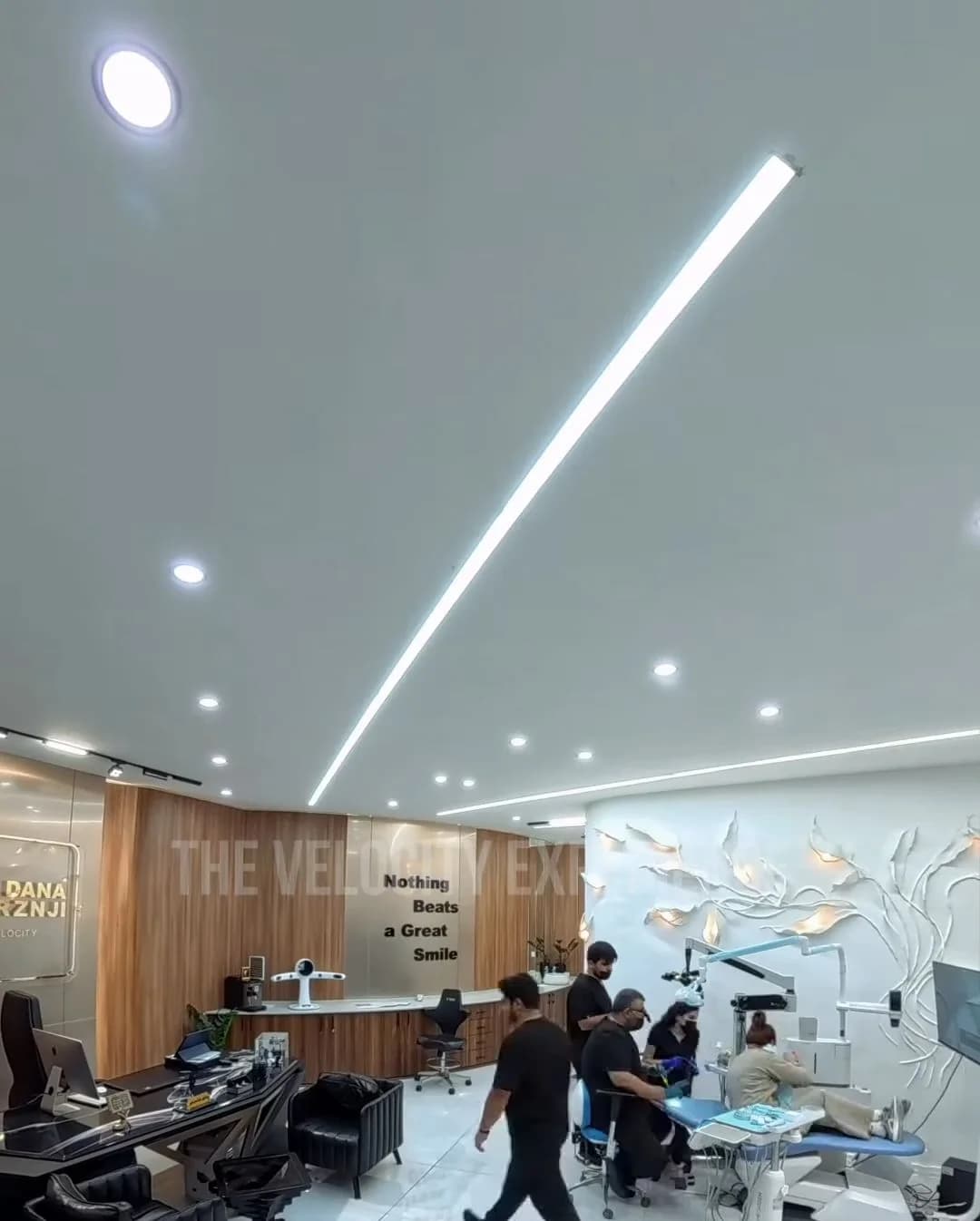
Useful, not performative
The best technology disappears into a better patient experience.
A screen, scan, or simulation is not a result by itself. Its value is in helping Dr. Dana document what is present, compare options, communicate with the dental laboratory, and explain decisions in a way you can follow.
The exact records and tools used depend on the treatment being considered. Your consultation should make clear what information is needed, why it matters, and how it affects the plan.
Precision is not about adding more technology. It is about collecting the right information and using it well.
What matters
Professional care, translated into practical detail.
Clinical photography
Detailed photographs create a shared visual record for discussing tooth shape, shade, gum levels, and facial context.
Communication in detailDigital records
Where appropriate, digital models or imaging can support diagnosis, measurements, restoration planning, and comparison over time.
Case-dependent recordsSmile visualization
Visual planning may help explore proportion and direction before elective cosmetic treatment is finalized.
A discussion tool, not a guaranteeLaboratory collaboration
Clear records and design instructions help connect the clinical plan with the technicians creating custom restorations.
From concept to fitThe digital workflow
Information moves through the case with purpose.
Not every patient needs every step. The workflow is selected to suit the clinical question and proposed treatment.
- 01Document the starting point
Capture
Record the teeth, smile, face, and relevant clinical findings using appropriate photography, imaging, or digital models.
- 02Turn records into insight
Study
Review health, structure, space, proportion, bite, and the limits that shape responsible options.
- 03Make decisions understandable
Communicate
Use visuals to explain what is present, what could change, and where compromise may be necessary.
- 04One connected workflow
Coordinate
Share precise information across clinical and laboratory stages so the design remains consistent.
- 05Technology meets clinical judgment
Verify
Check fit, contacts, bite, appearance, and patient comfort before considering the case complete.

Interactive study
Explore form, structure, and proportion in three dimensions.
This interactive model is an educational experience. It illustrates the kind of spatial thinking involved in dentistry, but it is not a scan of your mouth and cannot provide diagnosis.
- Clinical tools are selected for the individual case.
- Visual simulations are planning aids, not outcome guarantees.
- Biology and tooth preservation guide the final decision.
- Treatment starts only after examination and informed consent.
Interactive planning studio
Explore form, structure and proportion in three dimensions.
Move, rotate and inspect each study. These interactive models show how digital tools can make shape and spatial relationships easier to discuss before treatment.
Dental anatomy in motion
Explore the relationship between tooth form, surrounding structure and viewing angle.
Smile architecture
Inspect proportion and form through a second interactive clinical study.
What good technology changes
The patient should leave with more clarity, not more jargon.
For understanding
- A visible record of the concern
- Clear comparison of treatment options
- Better explanation of sequence and limitations
- A reference for reviewing progress
For delivery
- More complete laboratory communication
- Planned restorative space and proportions
- Checks for fit and bite
- Documented information for maintenance
Specific equipment, materials, and workflows should be confirmed directly with the clinic for your proposed treatment.
Can digital planning show my exact final result?
No preview can guarantee an exact outcome. It is a communication and planning aid. The final result depends on clinical conditions, material behavior, healing, execution, and maintenance.
Will I need X-rays or a scan?
Only if clinically indicated. Dr. Dana determines which records are appropriate after reviewing your history, symptoms, and proposed treatment.
Does digital dentistry make treatment painless?
Technology may improve parts of planning or delivery, but comfort varies by procedure and person. The clinic should explain anesthesia, expected sensations, and recovery for your case.
Is the most advanced option always the best option?
No. The best option is the one that responsibly addresses your needs while preserving health and making sense for your circumstances.
See the plan clearly
Use technology to support a more informed decision.
Bring your questions and any previous dental records. Dr. Dana can explain which diagnostic and planning steps are relevant to your case.