
Complex Full-Mouth Rehabilitation
Coordinate health, function, structure, and appearance in one staged plan.
Complex rehabilitation is not a standard package or a fixed number of crowns. It is a diagnosis-led process for patients whose needs span multiple teeth, missing support, wear, disease, old restorations, bite changes, or several dental disciplines.

A system, not a package
Complex treatment should explain why each tooth is preserved, changed, replaced, or monitored.
A full-mouth problem may involve decay, gum disease, worn or fractured teeth, missing teeth, failing restorations, infection, alignment, altered bite support, appearance, or a combination. The first task is to separate urgent disease from elective change and establish which structures are maintainable.
The plan may coordinate preventive, periodontal, endodontic, orthodontic, surgical, implant, and restorative care. Not every patient needs every discipline, and not every tooth should receive the same restoration. Staging, temporary or provisional restorations, reassessment, laboratory communication, and long-term maintenance help manage uncertainty.
A dramatic before-and-after image cannot show diagnosis, tooth preparation, biological response, bite adaptation, complications, or the maintenance needed afterward.
What matters
Professional care, translated into practical detail.
Stabilize health first
Pain, infection, decay, gum disease, hygiene barriers, medical risks, and hopeless teeth should be addressed before elective reconstruction.
Build on controlled diseaseTooth-by-tooth prognosis
Each tooth needs a reasoned assessment of structure, support, previous treatment, strategic value, and maintainability.
Avoid blanket treatmentCoordinated sequence
Specialty care, healing, orthodontics, surgery, provisional stages, laboratory work, and definitive restorations need one ordered plan.
Dependencies shape timingMaintenance architecture
Cleaning access, bite protection, professional reviews, repairs, and management of future change should influence the design.
Longevity is planned earlyFrom complexity to sequence
Seven stages for a coherent rehabilitation discussion.
Real cases may repeat or reorder stages. The purpose is to make dependencies, uncertainty, and decision points visible.
- 01Define the brief
Listen and document the problem
Record symptoms, function, appearance, health, previous dentistry, expectations, priorities, and available records.
- 02Map the whole system
Complete the diagnostic assessment
Examine teeth, gums, bite, joints and muscles when relevant, restorations, spaces, hygiene, and imaging needs.
- 03Health before reconstruction
Stabilize urgent and active disease
Control pain, infection, decay, inflammation, and other risks before committing to the definitive design.
- 04Decision by decision
Assign prognosis and alternatives
Explain which teeth can be preserved, monitored, restored, moved, replaced, or may need removal, with reasonable alternatives.
- 05Validate before finalizing
Design and test the sequence
Coordinate specialty input, diagnostic models or previews, temporaries, provisional stages, healing, and patient adaptation where useful.
- 06Quality at every handover
Deliver definitive care in stages
Confirm fit, appearance, speech, comfort, contacts, hygiene access, and bite as each planned phase is completed.
- 07Care continues after delivery
Maintain and reassess
Follow an individualized schedule for home care, professional maintenance, bite protection, repair, and changing risk.
Use provisionals as information
A temporary stage can test assumptions before definitive treatment.
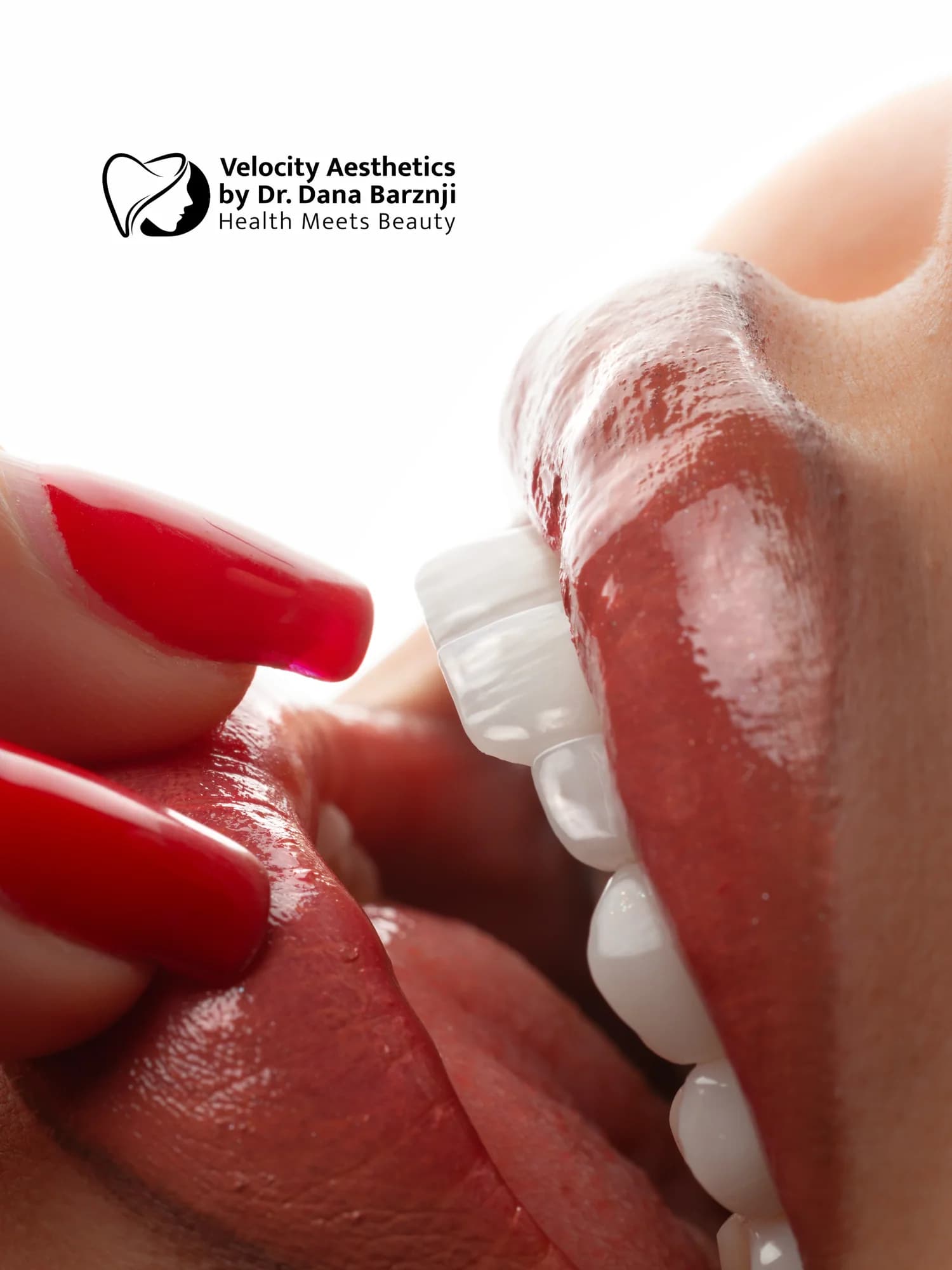
In selected complex cases, diagnostic models, mock-ups, temporary restorations, or provisional prostheses can help evaluate appearance, speech, comfort, cleaning, and function. They are communication and testing tools, not a promise that every biological or technical variable is fully predictable.
- Request a tooth-by-tooth problem and prognosis summary
- Separate required health care from elective goals
- Identify which stages depend on healing or specialist input
- Understand the purpose of temporary or provisional work
- Receive a maintenance, repair, and contingency plan
Before a major commitment
Make the diagnosis, scope, sequence, uncertainty, and ownership explicit.
Clinical plan
- What condition is being treated at each tooth or site?
- Which teeth can be preserved and why?
- What alternatives require less intervention?
- Which findings could change the plan?
Delivery and future care
- Who coordinates each stage?
- What temporary teeth or provisionals are expected?
- How are fit, bite, and appearance approved?
- What maintenance, repair, and review are required?
Complex rehabilitation requires examination, appropriate records, informed consent, and often staged reassessment. This page does not confirm a treatment package, number of teeth, material, implant need, timeline, fee, or outcome.
Does full-mouth rehabilitation mean crowning every tooth?
No. It describes coordinated care for complex needs, not one fixed procedure. A responsible plan may preserve, monitor, restore, align, replace, or remove different teeth according to diagnosis.
Can the whole treatment be completed in one trip?
Some stages may be combined, while healing, laboratory work, orthodontic movement, tissue stability, or reassessment may require more time or additional visits. The clinical sequence should determine travel.
Why might more than one clinician be involved?
Complex cases can cross gum, root canal, orthodontic, surgical, implant, and restorative disciplines. Coordinated input may improve diagnosis, sequencing, and management of risk.
What should a written plan include?
It should identify the diagnosis and scope by tooth or site, alternatives, stages, materials where known, conditional items, risks, temporaries, fees, maintenance, and how changes will be authorized.
Coordinate before committing
Build one plan that every tooth, stage, and clinician can follow.
Start with complete records and a comprehensive assessment, then review preservation, alternatives, sequence, provisionals, uncertainty, and long-term maintenance before beginning major treatment.