

Dental Implant Planning
Plan the foundation, the healing, and the tooth above it.
An implant is one part of a replacement-tooth system. Suitability depends on the missing-tooth problem, gums, bone, bite, general health, medicines, habits, restorative design, and a realistic commitment to staged care and maintenance.
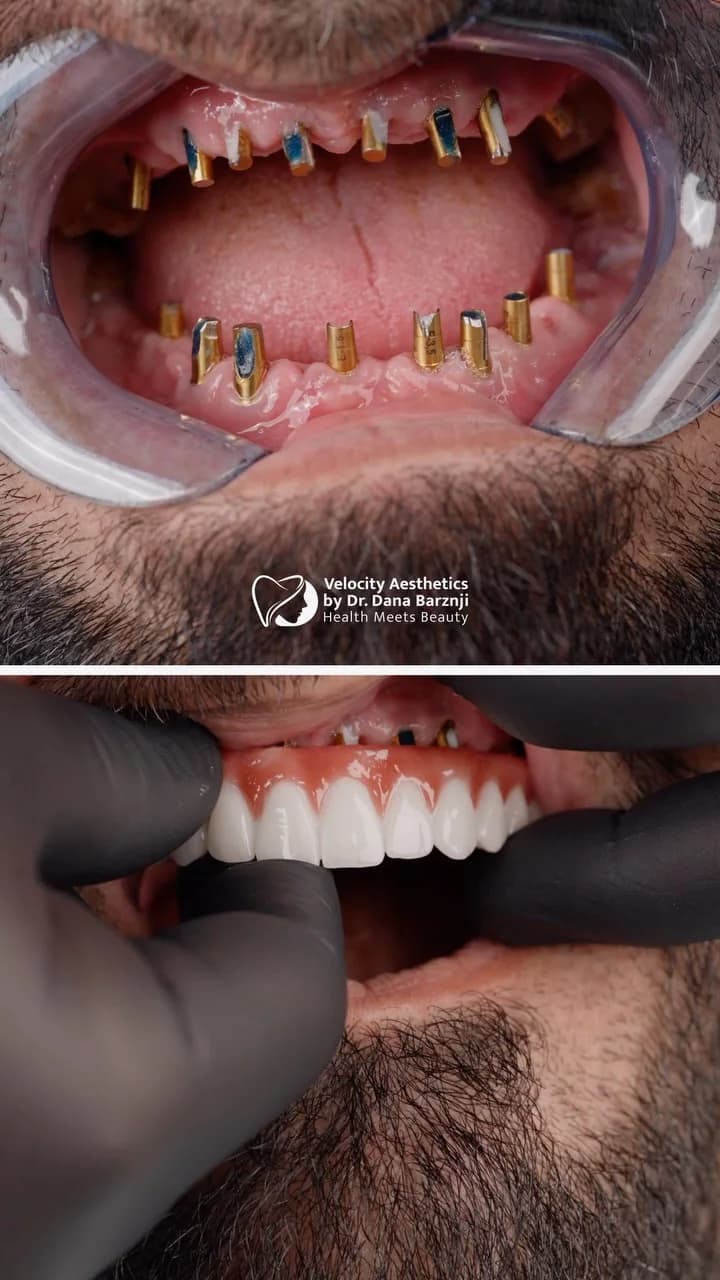
More than replacing a gap
The implant, connection, restoration, and surrounding tissues must work as one system.
A dental implant may support a crown, bridge, or removable restoration, but it is not automatically the right option for every missing tooth. Depending on the diagnosis, alternatives may include preserving a restorable tooth, a conventional bridge, a removable option, orthodontic space management, or no immediate replacement.
Planning may require clinical examination, appropriate imaging, periodontal assessment, review of medicines and medical conditions, and discussion of smoking, diabetes control, grinding, hygiene access, temporary teeth, grafting, healing time, and future maintenance.
A fast-looking timeline should never replace evidence that the site, patient, and final restoration are ready for the next stage.
What matters
Professional care, translated into practical detail.
Site and anatomy
Bone, gum tissue, nearby structures, infection, spacing, and the planned restoration can influence position and staging.
Place for the final toothWhole-health readiness
Healing risks, medicines, smoking, diabetes control, previous procedures, and relevant medical advice belong in the assessment.
Health can change timingRestorative sequence
Temporary options, surgery, healing, scans or impressions, laboratory stages, bite checks, and final fitting need a coherent order.
Not one universal timelineMaintenance plan
Implants and restorations still need cleaning, monitoring, professional care, and attention to inflammation or mechanical problems.
Replacement is not immunityA staged decision
Six checkpoints before an implant becomes a maintained tooth.
Some cases can combine stages while others require additional healing. The treating team should explain which sequence applies and why.
- 01Confirm the indication
Diagnose the missing-tooth problem
Assess symptoms, remaining teeth, gums, bone, space, bite, appearance, and whether another option could meet the goal.
- 02Suitability is individual
Review health and risk
Discuss medical conditions, medicines, allergies, smoking or nicotine, healing history, hygiene, and grinding.
- 03Restore before placing
Plan the final restoration first
Define the intended crown, bridge, or removable design so implant position supports function, cleaning, and appearance.
- 04Scope and alternatives
Agree the surgical sequence
Clarify whether extraction, infection control, grafting, implant placement, or other stages are recommended and which remain conditional.
- 05Biology sets the pace
Confirm healing before loading
Use clinical findings and any appropriate records to decide when the site is ready for the next restorative stage.
- 06Long-term ownership
Protect and review
Follow cleaning, bite, review, and professional maintenance recommendations and report changes promptly.

The final tooth drives the plan
Implant position should serve the restoration, not merely fill available bone.
A well-connected plan considers where the visible tooth needs to emerge, how it meets the opposing teeth, how the patient will clean around it, and whether the surrounding gum and bone can support that design. Complex cases may require staged treatment or input from more than one clinician.
- Ask which replacement options were considered
- Understand why imaging is recommended
- Clarify any possible grafting or additional stages
- Discuss temporary teeth and loading limits
- Receive a written maintenance and review plan
Questions worth bringing
Understand the complete implant pathway before arranging treatment.
Before placement
- Is the tooth definitely non-restorable or missing?
- What health or healing factors affect me?
- Is grafting possible, likely, or not currently indicated?
- What alternatives preserve or replace the space?
After placement
- What temporary option and diet limits apply?
- How will healing readiness be confirmed?
- How should I clean the final restoration?
- Who handles reviews, repairs, and urgent concerns?
This page does not confirm implant suitability, a same-day result, grafting need, treatment duration, or prognosis. Those require case-specific examination, imaging when indicated, and informed discussion.
Can I receive an implant and final tooth in one visit?
Some selected cases may allow immediate placement or loading, while others need staged healing. Suitability depends on the site, stability, infection, bone, bite, restoration, health, and clinician assessment.
Does every implant case need bone grafting?
No. Grafting is case-specific. The dentist should explain the anatomy, restoration goal, available alternatives, uncertainty, and whether grafting is recommended, optional, or unnecessary.
Can implants develop gum problems?
Yes. Plaque-related inflammation and bone loss can occur around implants. Daily cleaning, risk control, and professional monitoring remain important after treatment.
Does smoking or diabetes rule out implants?
Not automatically in every case, but smoking and poorly controlled diabetes can affect healing and risk. Share accurate information so suitability and risk can be assessed individually.
Plan beyond placement
Choose the pathway you can heal, clean, and maintain.
Bring your health history and available records, then compare the full replacement options, stages, uncertainties, and long-term responsibilities with the clinic.