

Whitening & Sensitivity
Brighten only after understanding what changed the color.
Whitening is not one answer for every dark, stained, restored, sensitive, or injured tooth. Examination helps separate surface stain from deeper discoloration and identify fillings, crowns, veneers, decay, cracks, gum recession, or other factors that can change the plan.
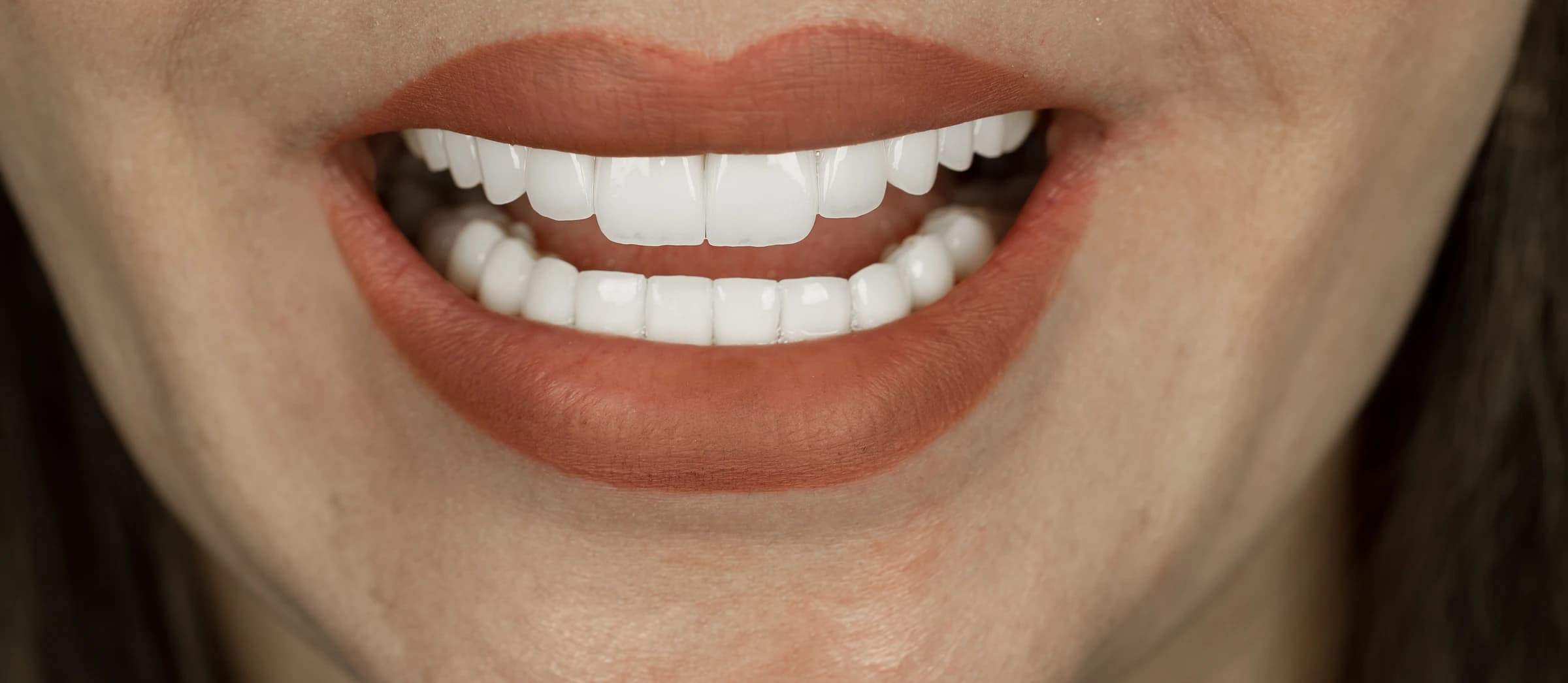
A shade is not a diagnosis
The safest brightening plan depends on why the tooth looks different.
Food, drink, tobacco, age, tooth anatomy, medication exposure, trauma, decay, previous root-canal treatment, and existing restorations can affect color in different ways. Whitening products may improve some discoloration but may not correct every shade or cause.
Crowns, veneers, and fillings do not whiten like natural teeth. If visible restorations are present, discuss the sequence, likely color difference, and whether replacement is truly necessary after the natural teeth reach a stable shade.
A responsible plan aims for a healthy, coherent smile rather than the brightest possible shade at any cost.
What matters
Professional care, translated into practical detail.
Color diagnosis
Pattern, history, photographs, examination, and existing dental work help explain whether the change is external, internal, local, or generalized.
Treat the cause, not a filterSensitivity review
Decay, cracks, worn enamel, exposed roots, gum recession, and other conditions can cause sensitivity and may need attention first.
Pain deserves a reasonMethod and expectations
Product, concentration, contact time, supervision, baseline shade, and discoloration type influence response and side effects.
No universal shade promiseRestoration sequence
Whitening may need to occur before final shade selection when crowns, veneers, or fillings are part of the broader plan.
Allow the shade to settleBefore bleaching
Five steps for safer shade planning.
Not every person needs professional whitening and not every discolored tooth should be bleached. The examination guides the method.
- 01History first
Describe the change
Note when the color changed, whether one or many teeth are involved, and any pain, trauma, medicines, or previous treatment.
- 02Confirm readiness
Examine health and restorations
Check for decay, cracks, gum problems, exposed roots, sensitivity, crowns, veneers, fillings, and other causes.
- 03Expectations in daylight
Discuss realistic response
Ask which areas may whiten, which may not, how existing restorations could appear, and what side effects are possible.
- 04More is not better
Use the agreed method
Follow the product, amount, timing, frequency, and protective instructions provided for the selected approach.
- 05Stabilize before matching
Review sensitivity and shade
Pause and contact the dentist when instructed if symptoms are significant, and reassess before replacing restorations solely for shade.
Be careful with DIY trends
Natural, abrasive, or viral does not automatically mean safe.
Acidic ingredients and aggressive scrubbing can damage enamel or expose more yellow dentin. Charcoal and improvised mixtures should not be assumed effective or harmless. Ask a dentist about products and methods appropriate for your oral health.
- Do not whiten over unexplained pain or a damaged tooth
- Check whether restorations will create a shade mismatch
- Follow product limits rather than extending contact time
- Report persistent or severe sensitivity
- Maintain results with oral hygiene and stain-risk habits
Before choosing a method
Separate whitening goals from problems that need treatment.
Tell the dentist
- When and where the color changed
- Sensitivity, pain, cracks, or trauma
- Existing fillings, crowns, and veneers
- Previous whitening and any reactions
Ask the dentist
- Which teeth are likely to respond?
- How will sensitivity be managed?
- Could restorations look different afterward?
- When should shade and results be reviewed?
This page does not confirm that whitening is appropriate or available at the clinic. Product safety, suitability, instructions, and expected response require individualized professional assessment.
Will whitening change the color of my crowns or veneers?
Whitening does not change restorative materials in the same way it changes natural teeth. Discuss possible mismatch and treatment sequence before starting.
Is sensitivity after whitening normal?
Temporary sensitivity can occur, but its cause and significance vary. Follow the agreed instructions and contact the dentist for persistent, severe, localized, or otherwise concerning symptoms.
Can I use lemon, charcoal, or a homemade whitening paste?
Do not assume household or online methods are safe. Acid and excessive abrasion can damage enamel, while some popular products lack reliable evidence of safety or effectiveness.
Why might one dark tooth need a different approach?
A single dark tooth may have a different history or cause, including trauma, decay, previous treatment, or internal discoloration. It needs assessment before a cosmetic method is selected.
Brighten with context
Find the reason, then choose the method.
Begin with oral-health and restoration assessment so the whitening plan respects sensitivity, existing dental work, realistic shade response, and the wider smile plan.